Bob Haircuts: 10 Styles From French Bob to Blunt Cut
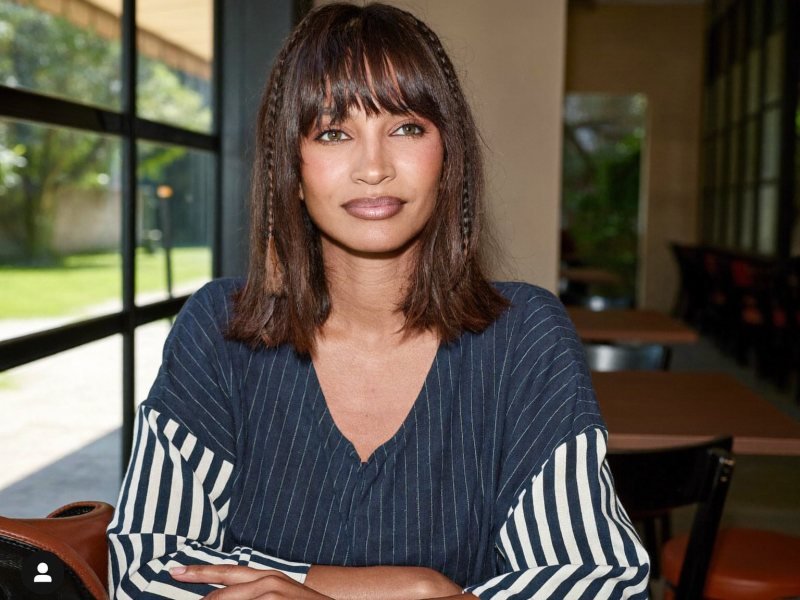
Bob haircuts all share one idea: hair cut to a clear line somewhere between the cheekbone and the shoulder. Everything else is a choice. The line can be blunt or soft, level or angled, worn with bangs or without, and each choice changes how the cut sits and how much styling it needs.
This guide covers the ten styles you are most likely to see on a salon menu, from the short French bob to the sharp blunt cut. Each one lists the length, the shape and the hair type it suits, so you can walk in knowing which name to use.
What makes a bob a bob
Three things define the cut. The first is length: a classic bob ends between the jaw and the top of the neck, a micro bob sits higher, and anything that reaches the collarbone is usually called a lob. The second is the perimeter, meaning the bottom edge. A blunt perimeter looks thick and graphic, while a softened one moves more. The third is layering. A one-length bob has none, and a layered or stacked bob uses shorter pieces to build shape.
If you are still deciding whether to go short at all, our overview of short hairstyles for women compares bobs with crops and pixies, and the list of types of haircuts for women explains the salon terms used below.
10 bob haircuts to try
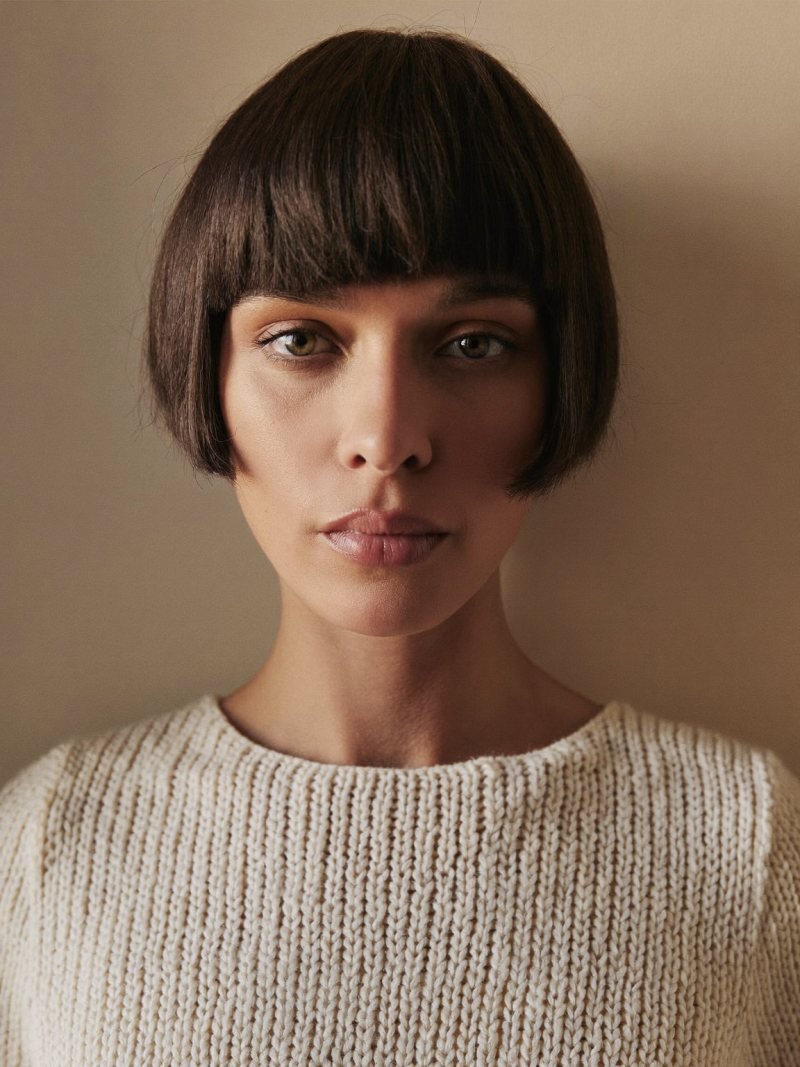
French Bob
Cut between the cheekbone and the jaw and usually worn with bangs. It is meant to look slightly undone, so it suits hair with a little natural bend.

Blunt Bob
One length all the way around with a crisp edge. It makes hair look as thick as possible and needs a trim often to stay sharp.

A-Line Bob
Slightly shorter at the back and longer at the front, with no stacked layers. The angle draws the eye down along the jaw.

Stacked Bob
Short graduated layers at the back build a rounded shape. It gives lift at the crown without daily effort.
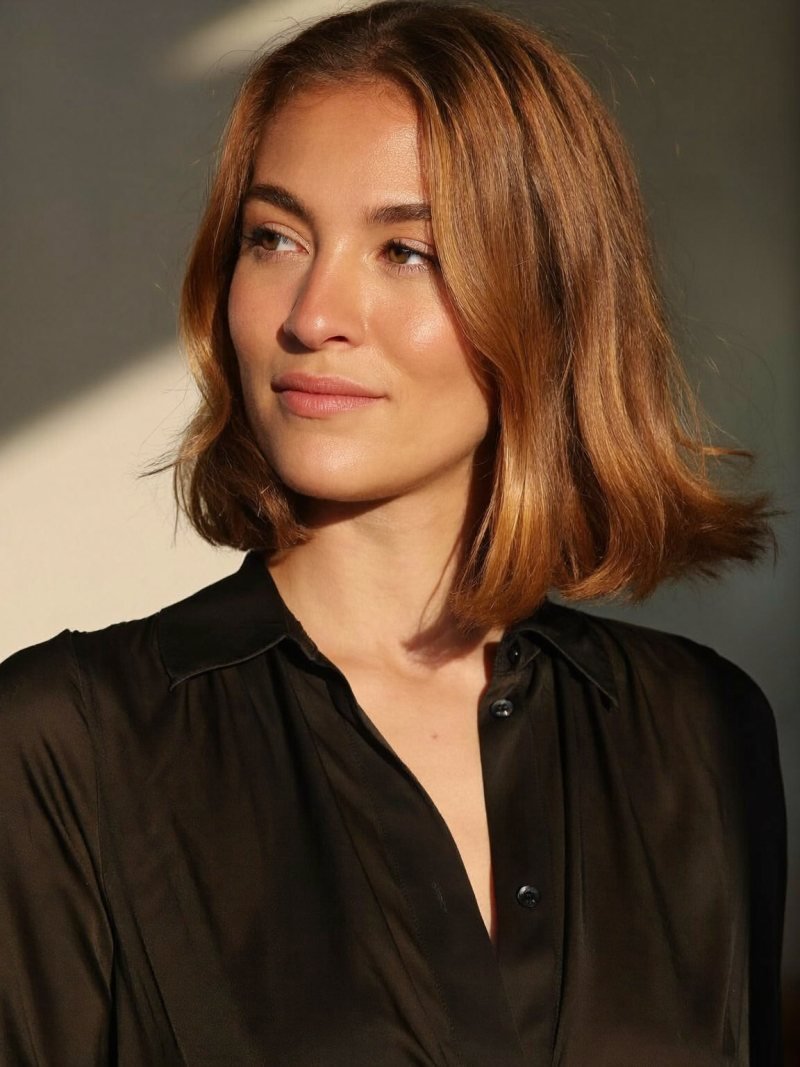
Italian Bob
A little longer and fuller than the French bob, with heavy ends you can flip to either side. It looks best with volume and a loose part.

Layered Bob
Soft layers through the lower half remove bulk and add movement. A good choice for thick hair that puffs out when cut to one length.

Curly Bob
Shaped curl by curl so the outline stays round. Curls spring up when dry, so the cut is usually left longer than the target length.

Asymmetrical Bob
One side is clearly longer than the other. It works best with a fixed side part, so choose your part before the cut starts.
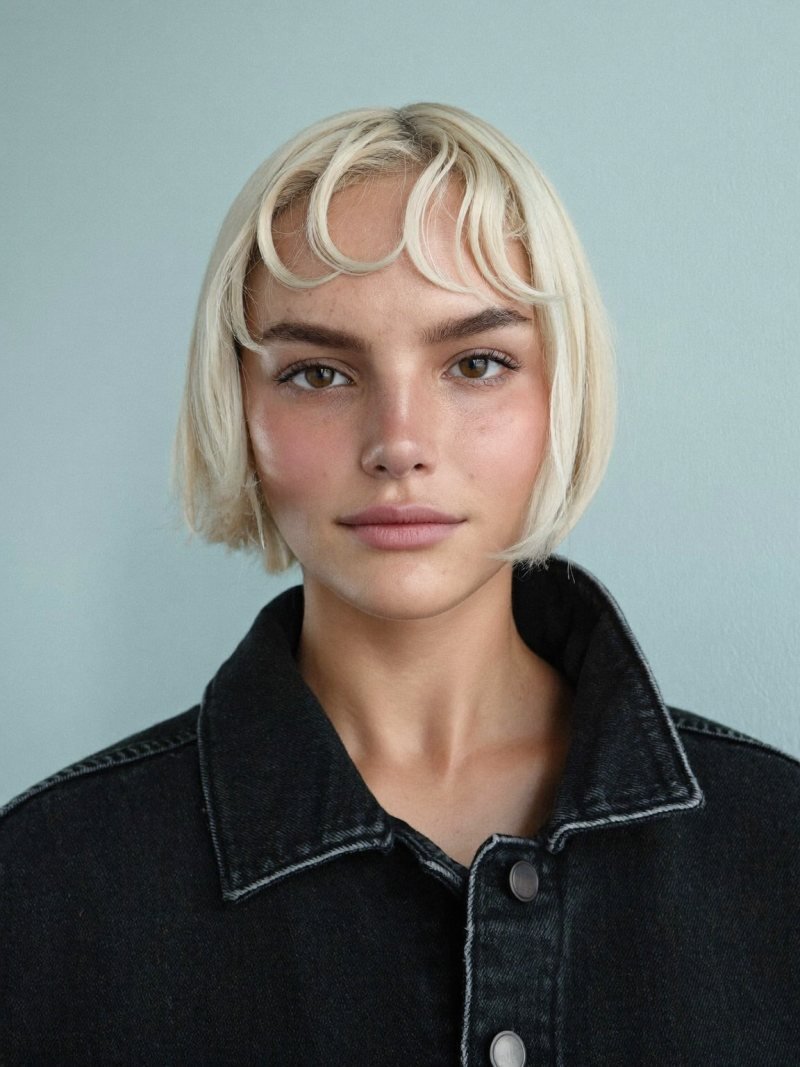
Micro Bob
The shortest bob, ending around the cheekbone. It shows off the neck and jaw and needs the most frequent trims.
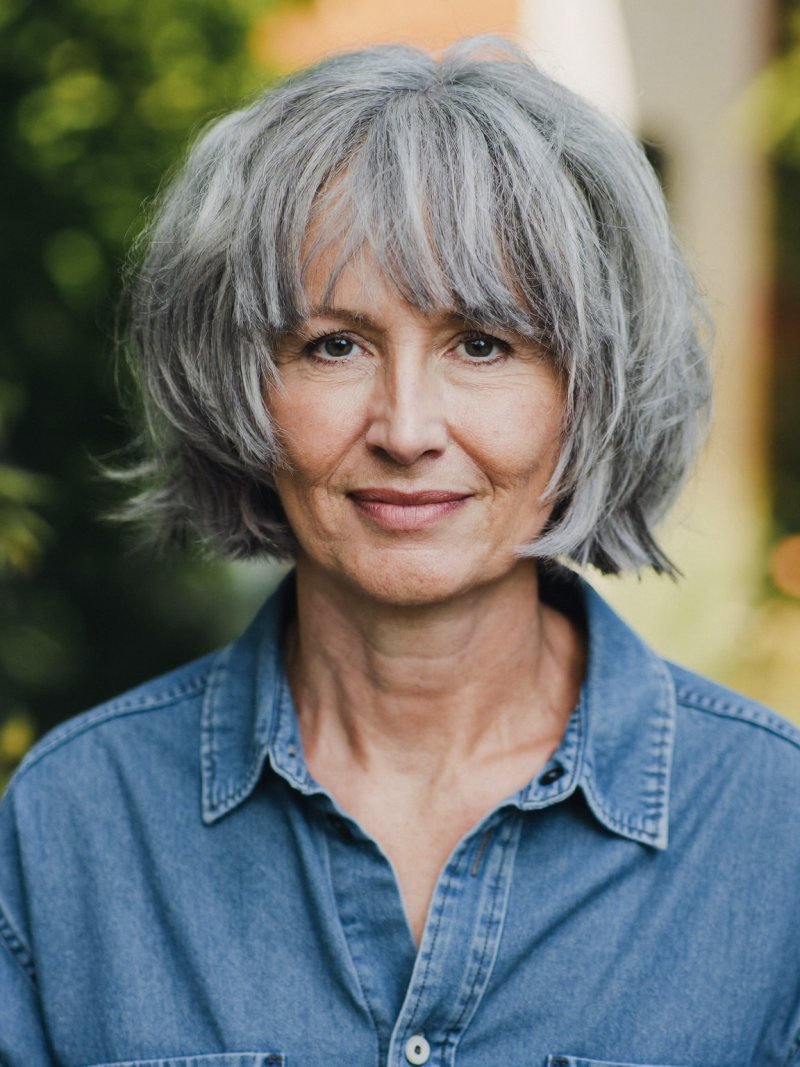
Shaggy Bob
Choppy layers and a wispy fringe give a relaxed, textured outline. Air-drying suits it better than a smooth blow-dry.
Which bob suits your face shape
Face shape is a guide and not a rule, but it helps with one decision: where the bottom edge should land. The edge of a bob draws a horizontal line, and that line emphasizes whatever it sits next to. A cut that ends at the jaw highlights the jaw. A cut that ends below the chin lengthens the face.
| Face shape | Bobs to consider | Why |
|---|---|---|
| Oval | Blunt, French, micro | Balanced proportions suit most lengths |
| Round | A-line, asymmetrical, longer layered | Length below the chin adds vertical lines |
| Square | Italian, layered, shaggy | Soft ends balance a strong jaw |
| Heart | Chin-length blunt, Italian | Fullness near the jaw balances a wider forehead |
| Long | French with bangs, curly | Bangs and width shorten the look of the face |
Hair texture matters as much as face shape. Straight hair shows every line, so it suits blunt and A-line cuts. Wavy hair suits French, Italian and shaggy shapes. For hair that lacks body, see our bob hairstyles for fine hair.
Styling a bob day to day
Most bobs need about ten minutes. Blow-dry the roots first with your fingers, lifting at the crown, then smooth the ends with a paddle brush for a sleek finish or a round brush for a turned-under shape. For a relaxed finish, work a small amount of texture spray through dry hair and bend the middle of a few sections with a flat iron, leaving the ends straight.
Short hair is styled with heat more often than long hair because every wash means a restyle. Use a heat protectant each time and keep tools on a moderate setting. The American Academy of Dermatology has more healthy hair tips on washing and drying gently.
Upkeep and growing it out
A bob keeps its shape for a limited time. Blunt and micro cuts usually need a trim every six to eight weeks, because a small amount of growth changes where the line lands. Layered and shaggy shapes are more forgiving and can often go a little longer. Bangs need a quick tidy between full cuts, and many salons offer this as a short appointment.
Growing out is simple if you plan for it. A jaw-length bob becomes a neck-length bob, then a long bob; our lob haircut ideas cover that stage. If you would rather go shorter instead, the pixie cut ideas guide is the next step down in length.
Frequently asked questions
What is the difference between a French bob and a blunt bob?
A French bob is shorter, usually between the cheekbone and the jaw, and is worn with bangs and a soft, slightly messy finish. A blunt bob can be any bob length and is defined by its sharp, even edge.
Which bob is the easiest to maintain?
A layered or shaggy bob at jaw to neck length is the most forgiving. It can be air-dried, and it does not show growth as quickly as a blunt line does.
Can I get a bob if my hair is curly?
Yes. Ask for a stylist who cuts curls regularly and expect the hair to be cut longer than the final length, because curls shrink when they dry.
Can I still tie my hair up with a bob?
With a neck-length bob you can usually manage a small low ponytail or a half-up style. A jaw-length or shorter bob is too short to tie back fully, so clips and headbands are more useful.
See more cuts and styles by length.
Browse hairstyles