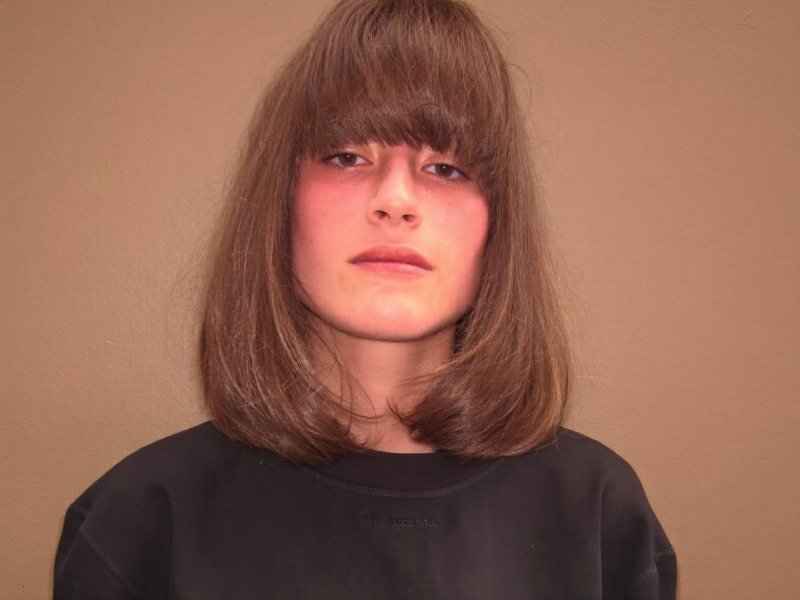
Curtain Bangs: 10 Ways to Wear Them and How to Style

Curtain bangs are a fringe parted in the middle and swept to each side, so they frame the face like a pair of open curtains. They are longer and softer than a straight fringe, which is why they are often the first bangs people try. If you change your mind, they blend back into the rest of your hair within a few months.
This guide shows ten ways to wear them, from long cheekbone-skimming pieces to shorter versions on a bob or with curls. After the gallery you will find a simple blow-dry routine, a table that matches fringe length to face shape, and notes on trims and growing them out.
What makes curtain bangs different
A classic fringe is cut straight across and sits on the forehead. Curtain bangs are cut longer, usually somewhere between the eyebrow and the cheekbone, with the shortest point at the center part and the length increasing toward the temples. That angle is what lets them sweep away from the face and merge with the layers at the sides.
Because they do not cover the forehead completely, they feel lighter than a full fringe. They are also easy to push aside, pin back or tuck behind the ears on days when you do not want a fringe at all. To see how they compare with other fringes, read our guide to the types of bangs.
10 ways to wear curtain bangs
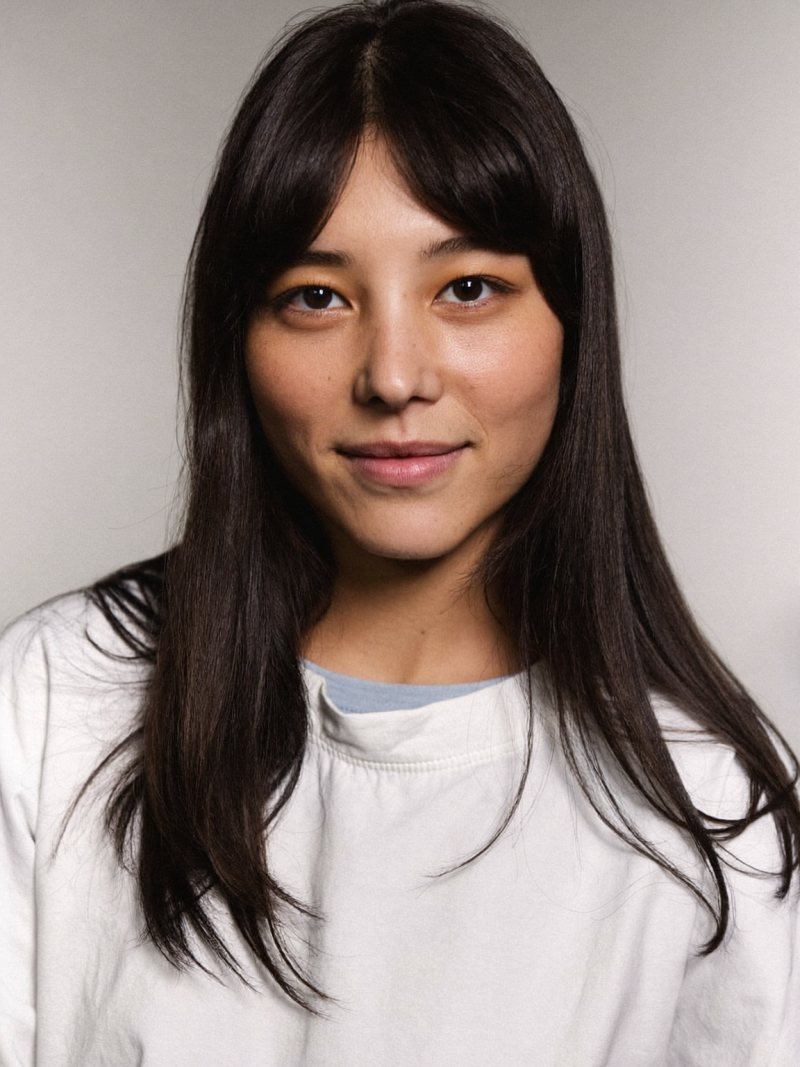
Classic Center Part
The standard version: a clean center part with both sides curving away from the eyes. Start here if you are unsure.

Long Cheekbone Sweep
The longest and lowest-commitment option. The pieces end at the cheekbone and tuck behind the ears easily.
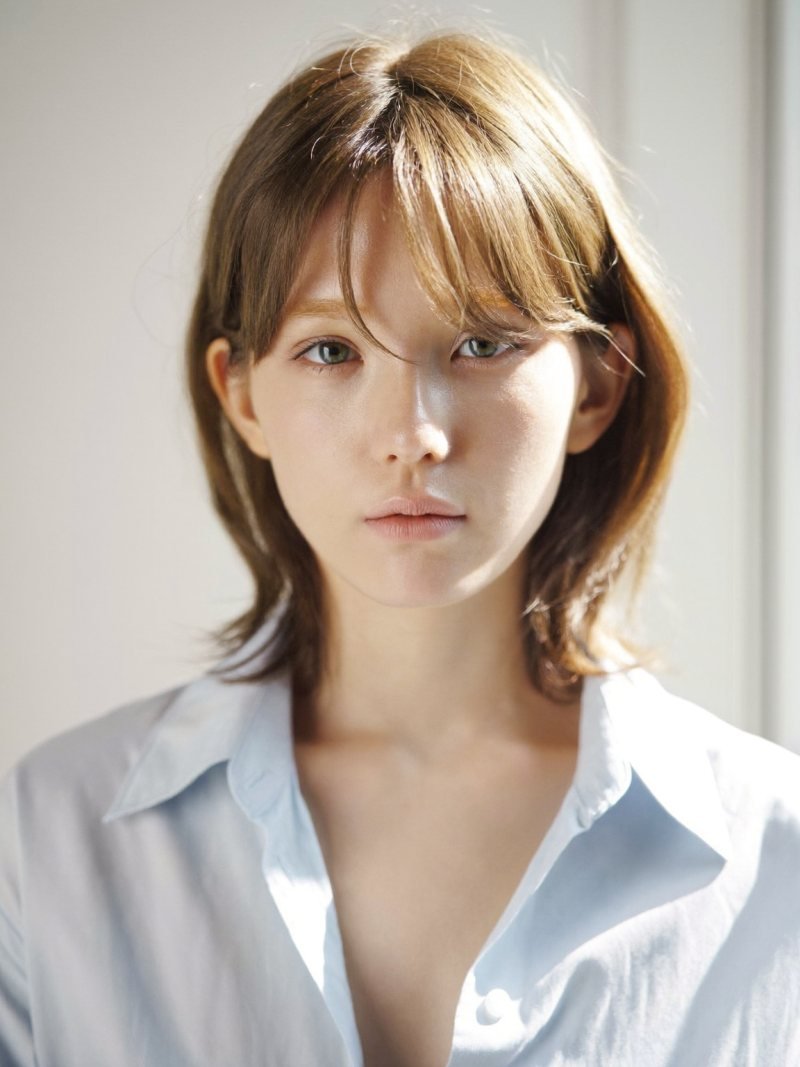
Wispy and Light
A thinner section of hair gives a see-through fringe. This is the best choice for fine hair, because it takes very little from the lengths.
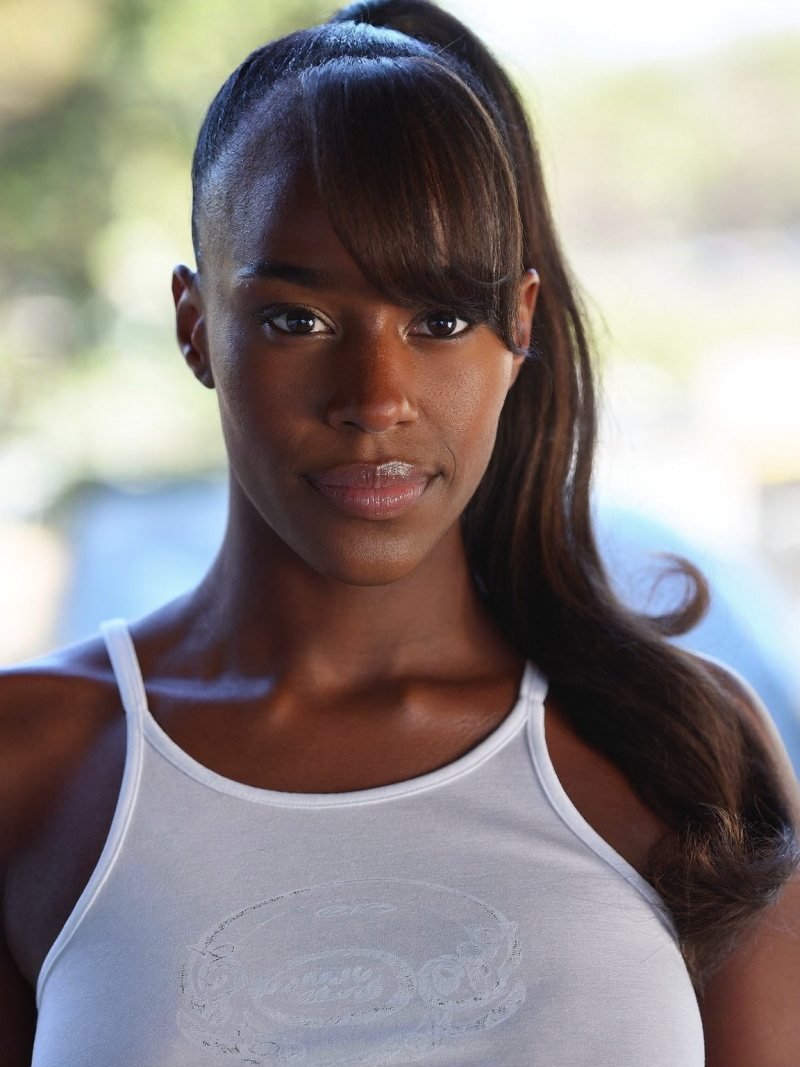
With a High Ponytail
Pull everything up and leave the fringe out. It softens a tight ponytail and frames the face without any extra styling.
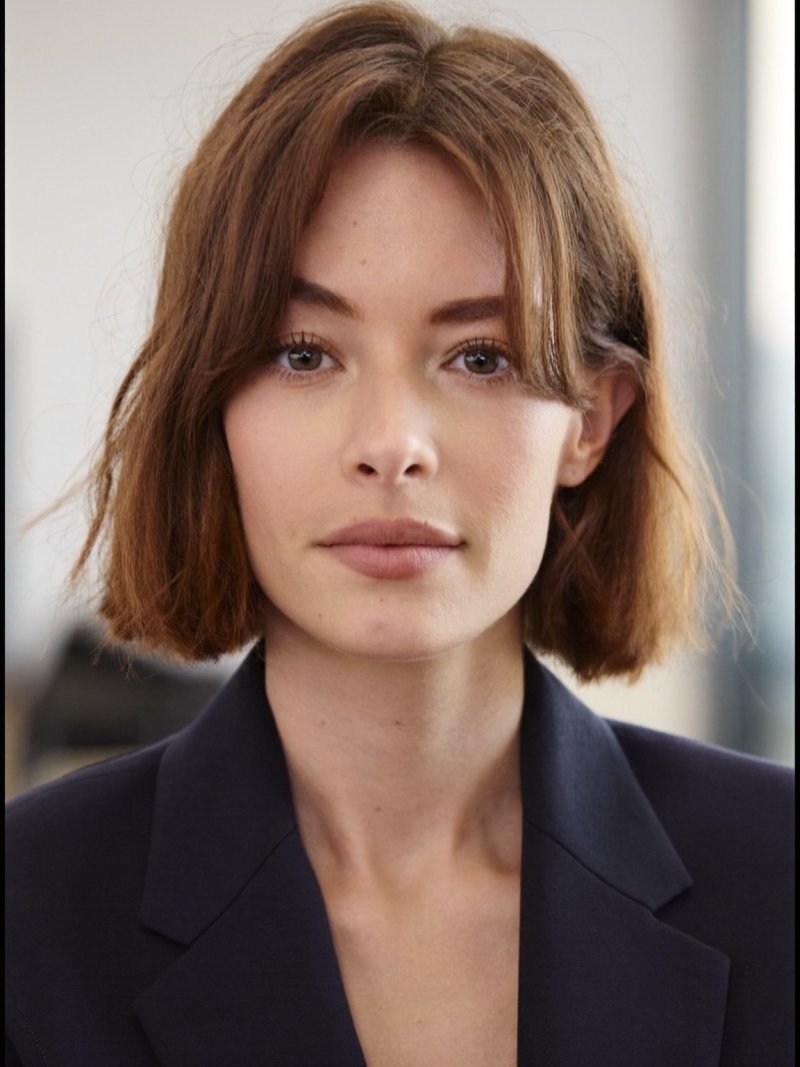
On a Chin-Length Bob
On a bob, keep the fringe a little shorter so there is a clear step between the bangs and the ends of the cut.
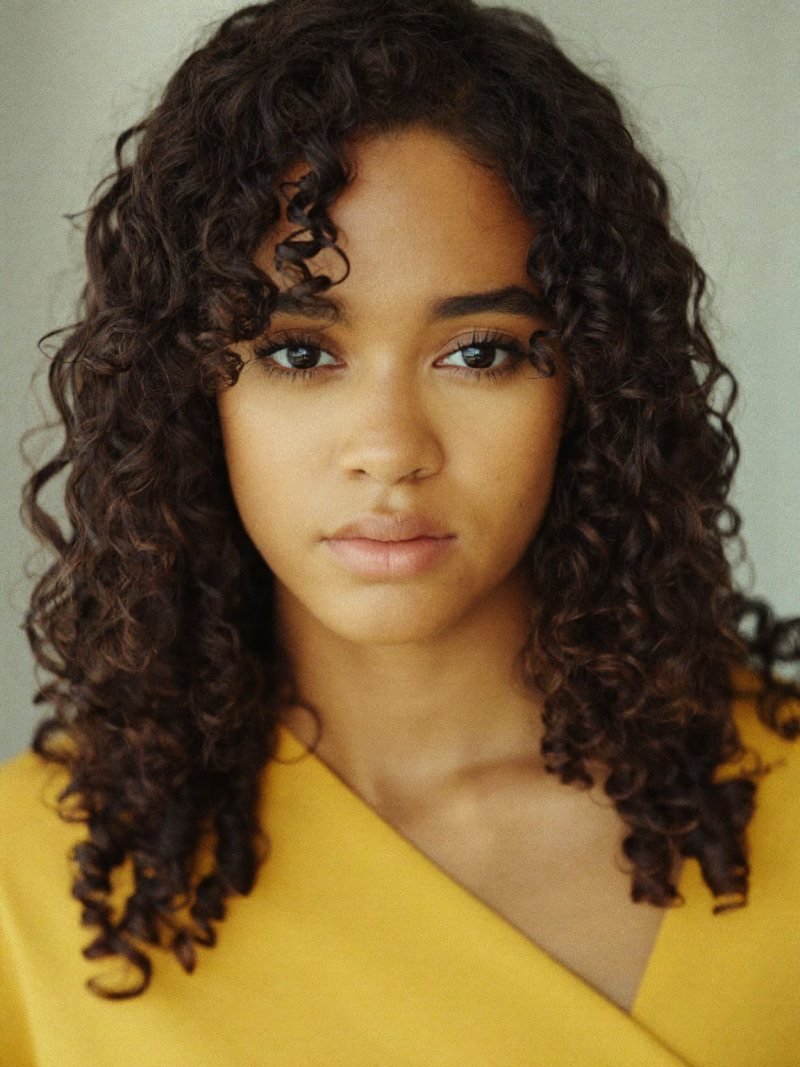
Curly Curtain Fringe
Curls shrink as they dry, so the fringe is best cut dry, curl by curl. Leave it longer than you would on straight hair.

With a Messy Bun
A loose bun with the fringe left down looks finished rather than rushed. Good for wash day and for the gym.

Swept From a Side Part
Flip the part to one side for a change. The longer side sweeps across the forehead and adds lift at the root.

Silver and Soft
A soft, parted fringe adds movement around the face on grey and silver hair and works with a smooth or a wavy finish.
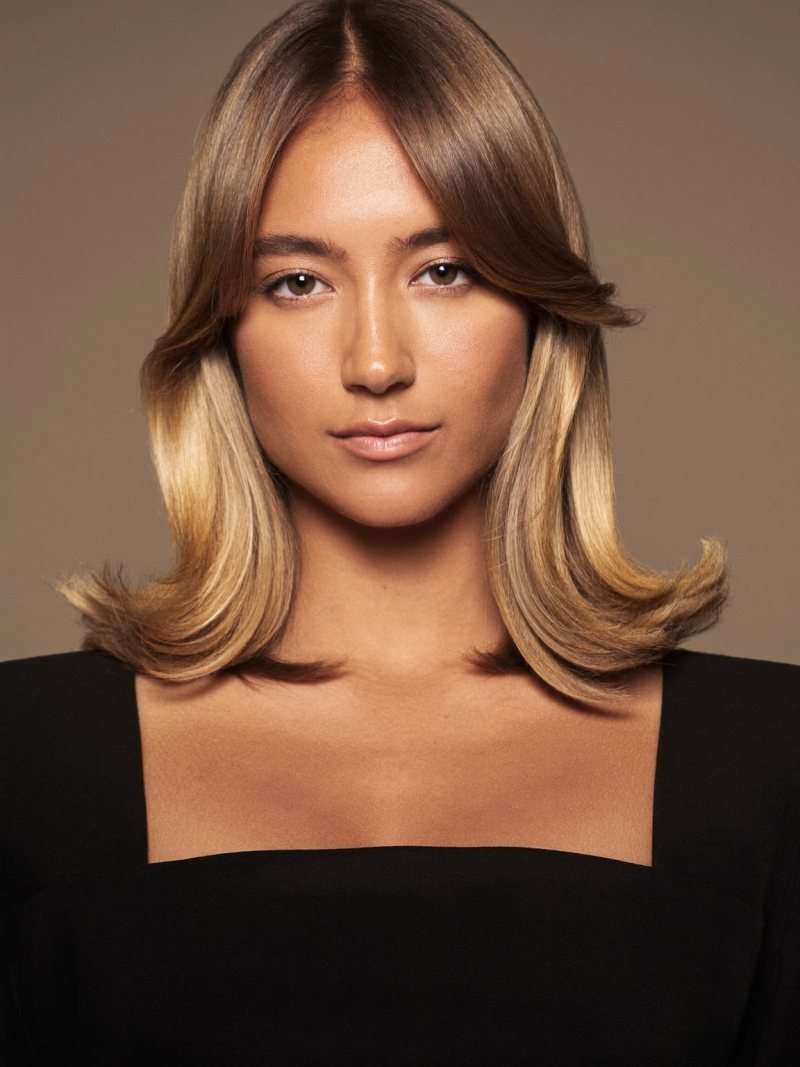
Sleek and Straight
Smooth lengths with a slight outward bend in the fringe. Turn the flat iron away from the face as you reach the ends.
How to style curtain bangs at home
Style the fringe first, while it is still damp. Short hair dries quickly and sets in whatever shape it dries in. Comb the bangs forward over the face, place a medium round brush underneath, roll the hair forward and up, and aim the dryer down from above. When the hair is dry, let it cool on the brush for a few seconds, then release it and split it at the center with your fingers.
If you do not own a round brush, blow the bangs flat to the left with a paddle brush, then flat to the right, and finish forward. This back and forth motion smooths out cowlicks and leaves a soft bend. A large velcro roller works too: roll the dry fringe away from the face, leave it in for ten minutes and take it out.
Keep products light. A small amount of mousse or a mist of texture spray before drying is enough, and heavy oils make a fringe look greasy by midday. If you use a flat iron, keep the heat low and apply a heat protectant first. The American Academy of Dermatology has more healthy hair tips, including advice on heat styling.
Which length for which face shape
| Face shape | Fringe length | Why it works |
|---|---|---|
| Round | Long, ending at the cheekbone or lower | Longer angled pieces draw the eye up and down |
| Square | Soft and wispy, near the cheekbone | Softens the corners of the forehead and jaw |
| Heart | Cheekbone length with a wide sweep | Balances a wider forehead |
| Oval | Any length | Even proportions suit most versions |
| Long | Slightly shorter and fuller, near the eyebrow | Breaks up the length of the face |
Treat face shape as a starting point rather than a rule. Hair texture matters just as much. Fine hair looks best with a thin, wispy section so the lengths stay full. Thick hair can take a deeper section, with the ends lightly thinned so the fringe does not sit like a shelf. Wavy and curly hair should be cut longer to allow for the way it springs up when dry.
Trims, cowlicks and growing them out
A fringe grows past its best shape faster than the rest of a haircut. Plan on a small trim every four to six weeks. Many salons offer a quick fringe trim between full appointments, and it is worth using, because cutting your own bangs straight across is the easiest way to lose the curtain shape.
A cowlick at the hairline does not rule the style out. Dry the fringe straight after washing, before it has a chance to set, and use the left and right technique described above. Between washes, you can refresh only the fringe: wet it at the sink, add a drop of shampoo, rinse and blow-dry. It takes two minutes and makes the whole style look clean.
Growing them out is simple. Within a few months the pieces reach the cheekbones or jaw and read as face-framing layers. In the meantime, sweep them to the side, twist them back with a small clip or tuck them behind your ears.
Pairing the fringe with the right cut
This fringe works with almost any length. On long hair it breaks up a heavy curtain of length, as shown in our long hairstyles for women. At the collarbone it is a natural partner for layers, so see the medium length layered haircuts and the shoulder length haircuts for ideas.
It also suits bobs and longer crops in the short hairstyles for women guide. On mornings when the fringe will not behave, the easy medium length hairstyles list has quick ways to pin it back.
Frequently asked questions
Do curtain bangs suit everyone?
They suit most face shapes and hair types because the length and thickness can be adjusted. The main thing to check is your hairline: a strong cowlick or very tight curls need a longer cut and a stylist who cuts the fringe dry.
Are curtain bangs high maintenance?
They need less work than a blunt fringe. Expect a minute or two with a dryer and brush each morning and a small trim every four to six weeks.
Can I get curtain bangs with fine hair?
Yes. Ask for a thin, wispy section so very little hair is taken from the lengths. A light mousse at the root helps the fringe hold its shape.
How do I hide curtain bangs on a bad hair day?
Twist each side back and secure it with a small clip, push them under a headband, or sweep them to one side and pin them above the ear.
See more cuts and styles by length.
Browse hairstyles