Types of Bangs: 10 Fringe Styles and Who They Suit
There are more types of bangs than most people realize, and the names matter. Saying only "bangs" at the salon can get you anything from a few soft wisps to a heavy fringe cut straight across. Knowing the right word, and bringing a photo to match, is the simplest way to leave with the fringe you had in mind.
Below are the ten styles you are most likely to come across, with a short note on who each one suits. After the gallery, a table compares the daily effort involved, and there is a short section on what to think about before you cut.
How the types of bangs differ
Every fringe is defined by three things. The first is length: above the eyebrow, at the eyebrow, or down toward the cheekbone. The second is density, meaning how much hair is brought forward. A deep section gives a solid, heavy fringe, and a shallow one gives a light, see-through result. The third is the line, which can be straight, curved, angled to one side or parted in the middle.
Change any one of those and the effect on the face changes too. A heavy straight line draws attention to the eyes. A long parted fringe draws attention to the cheekbones. Lighter, longer versions are easier to live with and easier to grow out.
10 types of bangs to know

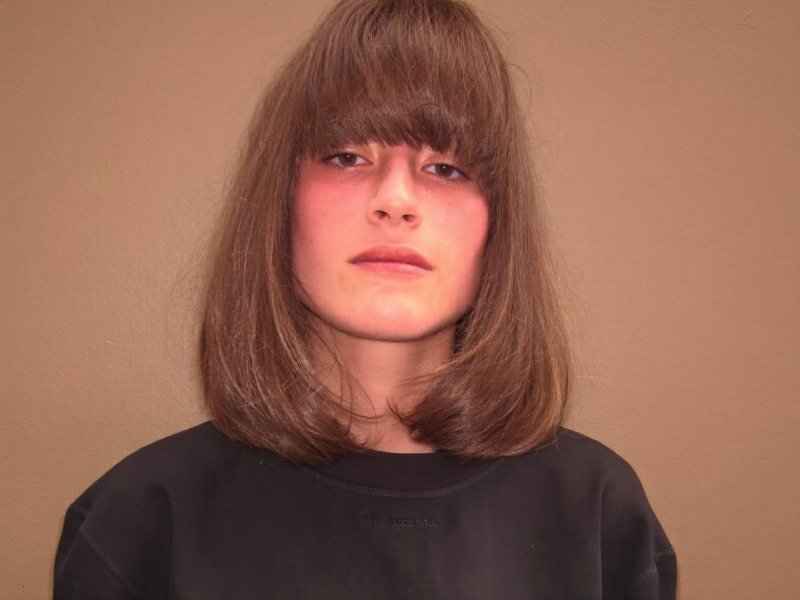
Blunt Bangs
A solid fringe cut in a straight line at or just below the brows. It suits straight, thicker hair and long or oval faces.

Wispy Bangs
A thin, see-through fringe made from a shallow section of hair. The gentlest way to try bangs, and a good match for fine hair.

Curtain Bangs
Parted in the center and swept to both sides. They flatter most faces and grow out into face-framing layers.
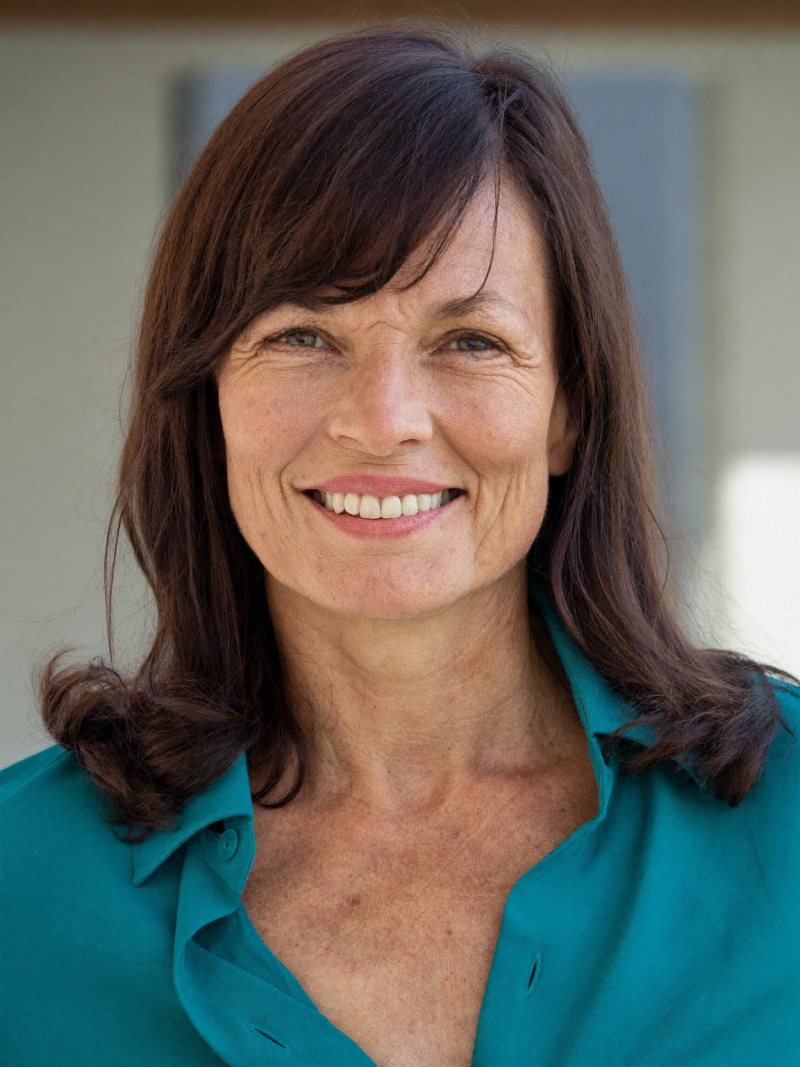
Side-Swept Bangs
Cut on a diagonal and worn to one side. A reliable choice for round and square faces, and easy to pin back.
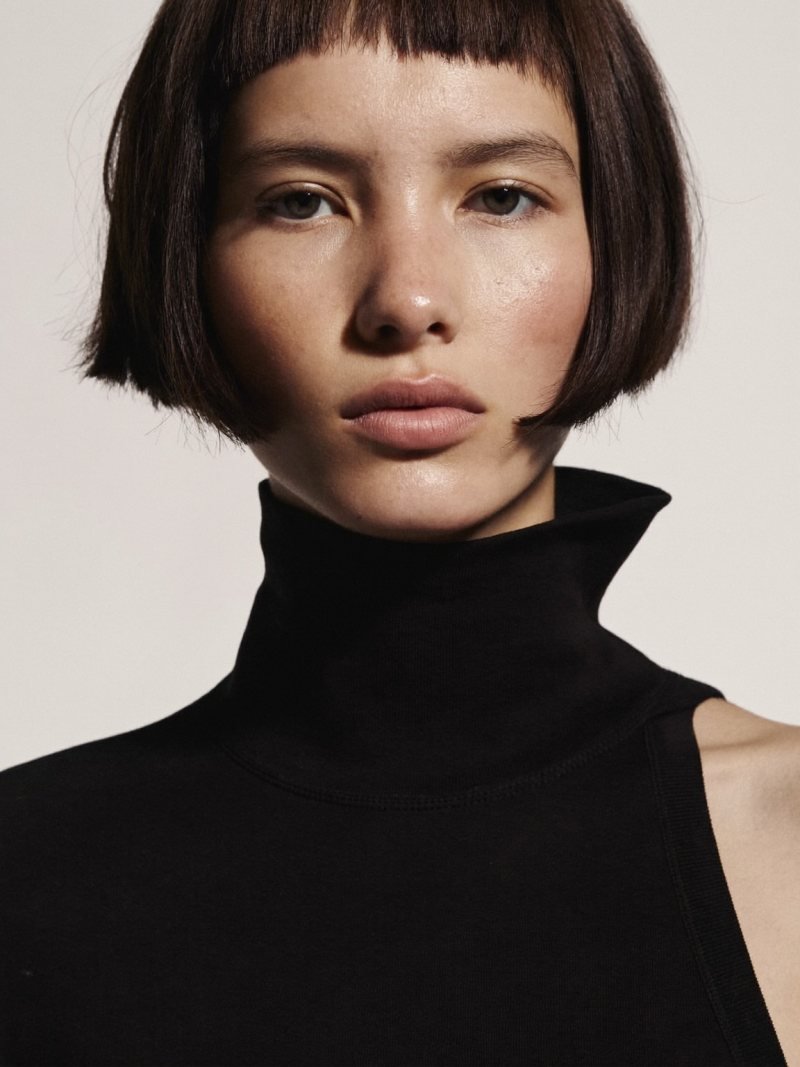
Micro Bangs
Also called baby bangs. They sit well above the brows and make a strong statement, so they suit confident, defined features.
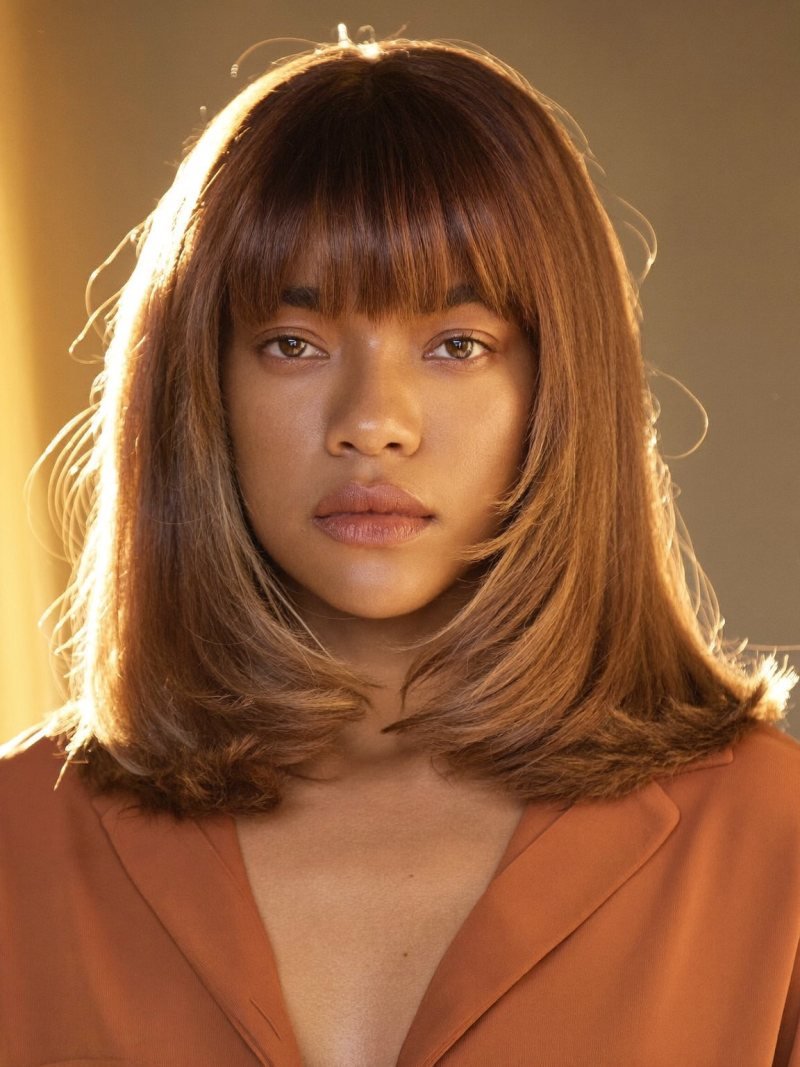
Bottleneck Bangs
Short and narrow in the center, then widening and lengthening around the eyes, like the neck of a bottle.
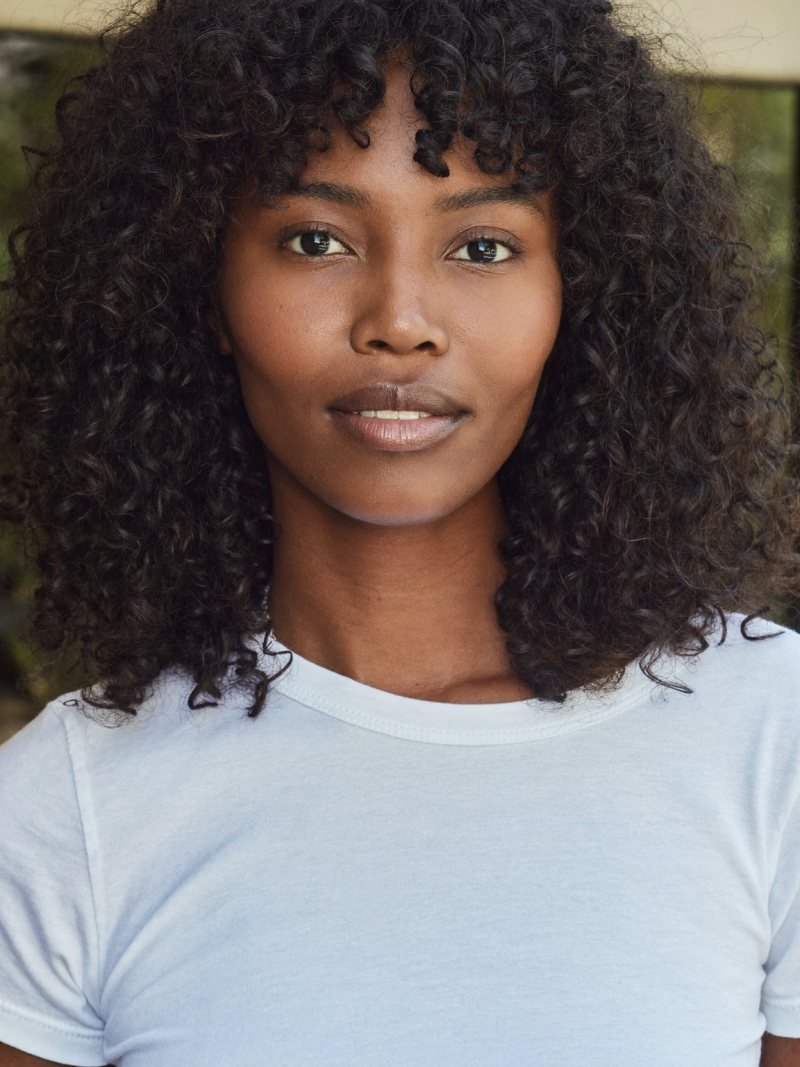
Curly Bangs
A fringe cut into natural curls and coils. It should be shaped dry so each curl sits where it naturally falls.

Choppy Bangs
Cut with a deliberately uneven edge. The texture hides small mistakes and pairs well with shags and layered cuts.

Arched Bangs
A full fringe with a curved edge, shorter in the middle and longer at the temples. Softer than a straight blunt line.

Long Face-Framing Bangs
The longest option, ending between the cheekbone and the jaw. It reads as a fringe when down and disappears into a ponytail.
Upkeep compared
| Fringe | Daily styling | Growing it out |
|---|---|---|
| Blunt or arched | Needs a blow-dry most days | Slow, with a noticeable in-between stage |
| Micro | Quick to dry but shows every cowlick | Slowest, because it starts so short |
| Wispy or choppy | A quick blast with the dryer | Easy, since the edge is already soft |
| Curtain or bottleneck | A minute with a round brush | Easy, blends into layers |
| Side-swept or long face-framing | Minimal, often air-dries well | Easiest of all |
As a general rule, the shorter and heavier the fringe, the more often it needs a trim. A blunt or micro fringe loses its line within a few weeks. Longer, softer styles can go longer between visits, and our guide to curtain bangs covers that routine in detail.
What to consider before you cut
Start with your hair, not your face. Look at your hairline when it is wet. A cowlick, a widows peak or a strong natural part will push a short fringe in its own direction, so a longer or side-swept style is usually safer. Curly and coily hair springs up as it dries, which is why a fringe on textured hair is best cut dry and left longer.
Next, think about your routine. A fringe sits on the forehead, so it picks up oil from the skin and may need washing more often than the rest of your hair. If you exercise most days, wear glasses or prefer to air-dry, choose a longer style that can be clipped away from the face.
Then consider the cut around it. Bangs look most natural when they connect to something, such as face-framing pieces or layers. The types of haircuts for women list explains those terms, and the medium length layered haircuts guide shows how a fringe and layers work together.
Bangs with short, medium and long hair
On short hair, a fringe is often the main feature of the cut. Micro and choppy bangs suit crops, and many of the looks in our pixie cut ideas rely on a longer, side-swept front. At the shoulders, almost every fringe works, and the shoulder length haircuts guide shows several. On long hair, bangs add shape near the face so the length does not drag the features down.
Looking after a fringe
Dry your bangs first, straight after washing, and point the dryer down the hair shaft so the fringe lies flat. Use very little product, and keep conditioner and oils on the lengths rather than the fringe. Go easy with hot tools, since this small section gets styled more than any other. The American Academy of Dermatology shares more healthy hair tips for everyday care.
For trims, a professional fringe tidy is quick and keeps the line even. If you do trim at home, cut dry hair, take off less than you planned and snip upward into the ends instead of straight across.
Frequently asked questions
Which type of bangs is the lowest maintenance?
Long face-framing and side-swept bangs. They often air-dry well, can be tucked behind the ear and grow out without an awkward stage.
What bangs are best for a round face?
Side-swept, curtain and long face-framing bangs are common choices, because their angled lines add length. A heavy straight fringe can make a round face look wider.
Can I have bangs with a cowlick?
Usually, yes. Choose a longer or side-swept fringe that follows the direction of the cowlick, and blow-dry it as soon as you wash your hair.
What is the difference between bangs and a fringe?
They are the same thing. Bangs is the usual word in the United States and fringe is the usual word in the United Kingdom.
Find a cut to go with your new fringe.
Browse hairstyles